
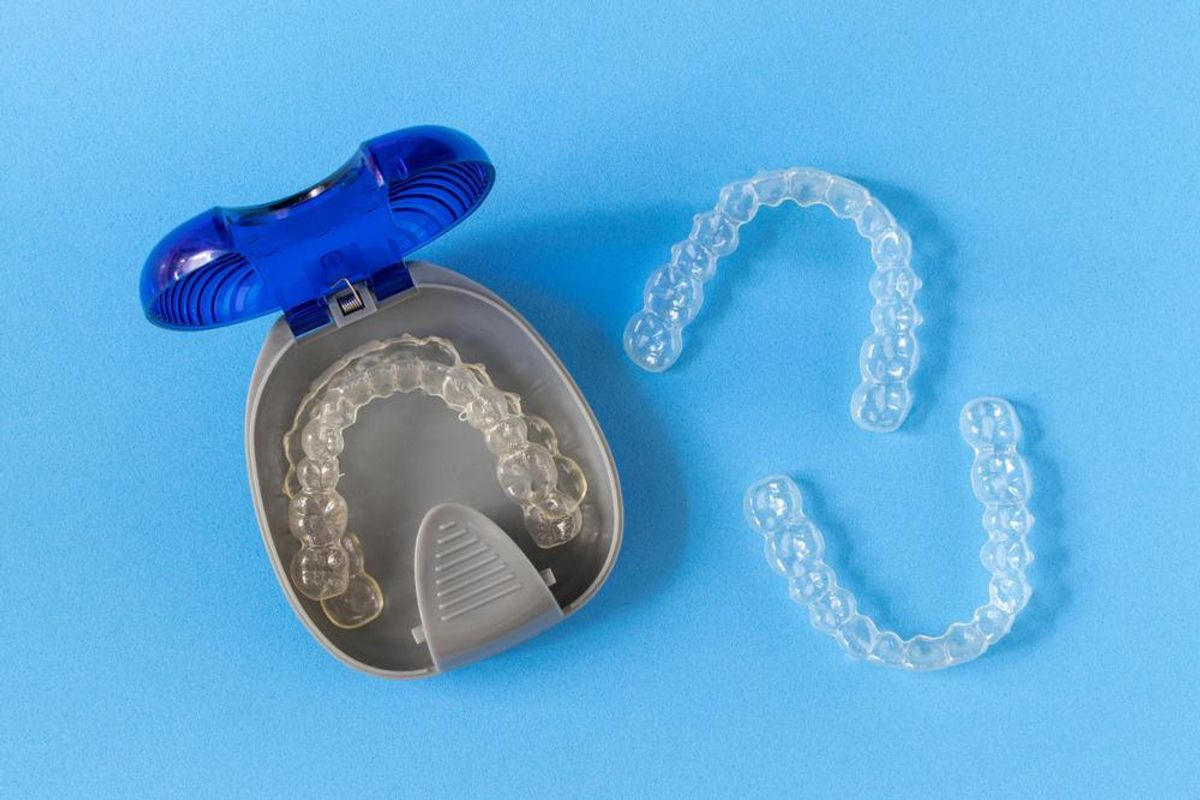
Getting braces can take a little getting used to, but most people settle in quickly. A bit of rubbing or tenderness at first is completely normal, and there are lots of simple things you can do to stay comfortable. In this guide, you’ll find easy tips on managing early discomfort, keeping everything clean, eating the right foods, and knowing what to do if something doesn’t feel quite right.
Managing pain and sensitivity
After your braces are fitted, your teeth might feel achy for around three to five days, but don’t worry – there are things you can do to help ease any pain or sensitivity.
- If you’re experiencing pain - you can take the same pain relief that you would use for a headache, but always follow the instructions on the packet
- If your teeth are feeling sensitive, just stick to eating softer foods for the first few days – things like soups, pasta, rice and mashed potato
- Your braces may rub on the inside of your lips and cheeks, but they will toughen up. Your orthodontic wax will help.

Managing pain and sensitivity
After your braces are fitted, your teeth might feel achy for around three to five days, but don’t worry – there are things you can do to help ease any pain or sensitivity.
- If you’re experiencing pain - you can take the same pain relief that you would use for a headache, but always follow the instructions on the packet
- If your teeth are feeling sensitive, just stick to eating softer foods for the first few days – things like soups, pasta, rice and mashed potato
- Your braces may rub on the inside of your lips and cheeks, but they will toughen up. Your orthodontic wax will help.
Applying orthodontic wax
If your braces rub, catch, scratch or cause sores and ulcers - orthodontic wax can really help. It works by creating a protective barrier between the inside of your mouth and your braces.
- To apply orthodontic wax - tear a piece off, soften it between your fingers and roll it into a ball
- Dry the affected area with a tissue or cotton wool, then mould it around the brace part that is causing you problems
- You can remove the wax when you’re eating, drinking warm drinks and brushing your teeth – you can then reapply a new piece when you’re ready

Applying orthodontic wax
If your braces rub, catch, scratch or cause sores and ulcers - orthodontic wax can really help. It works by creating a protective barrier between the inside of your mouth and your braces.
- To apply orthodontic wax - tear a piece off, soften it between your fingers and roll it into a ball
- Dry the affected area with a tissue or cotton wool, then mould it around the brace part that is causing you problems
- You can remove the wax when you’re eating, drinking warm drinks and brushing your teeth – you can then reapply a new piece when you’re ready
Dietary advice
In order to avoid permanent, unsightly marks on your teeth around your brackets it’s important to be careful with what you eat and drink.
- Avoid fizzy drinks, including diet and sports drinks, and fresh fruit juice (plain water and milk are recommended)
- It’s best to avoid snacks between meals, but if needed make sure they are tooth friendly, such as chopped fruit or cheese
- To avoid food getting stuck in your braces avoid sticky, chewy and crunchy foods such as chewing gum, toffee, nuts and popcorn
- To avoid putting pressure on or breaking your braces hard food should be cut up and chewed at the back of your mouth. Avoid biting things with your front teeth, such as your nails or pen lids.

Dietary advice
In order to avoid permanent, unsightly marks on your teeth around your brackets it’s important to be careful with what you eat and drink.
- Avoid fizzy drinks, including diet and sports drinks, and fresh fruit juice (plain water and milk are recommended)
- It’s best to avoid snacks between meals, but if needed make sure they are tooth friendly, such as chopped fruit or cheese
- To avoid food getting stuck in your braces avoid sticky, chewy and crunchy foods such as chewing gum, toffee, nuts and popcorn
- To avoid putting pressure on or breaking your braces hard food should be cut up and chewed at the back of your mouth. Avoid biting things with your front teeth, such as your nails or pen lids.
Brushing
Brush your teeth at least twice a day for two to three minutes, using a fluoride toothpaste. If possible, carry a toothbrush with you for use after lunch. It can be helpful to use a timer on your phone or listen to your favourite song to make sure you spend the right amount of time brushing.
Brushing with your brace may take slightly longer but it’s important that you clean every surface especially along the gumline. Manual or electric toothbrushes are fine but don’t press too hard. You may also find interdental or interspace brushes can help you clean under the wire or around your brackets.
Rinse your mouth daily with a fluoride mouthwash, making sure you do this at a different time to brushing. This helps maintain the fluoride protection to your teeth.
At the beginning, whilst you get used to brushing and mastering the technique, you can use disclosing tablets twice a week. They can help you see whether you’ve removed plaque effectively enough after brushing.
It’s really important to remember that if you don’t brush properly, this could lead to the termination of your treatment

Brushing
Brush your teeth at least twice a day for two to three minutes, using a fluoride toothpaste. If possible, carry a toothbrush with you for use after lunch. It can be helpful to use a timer on your phone or listen to your favourite song to make sure you spend the right amount of time brushing.
Brushing with your brace may take slightly longer but it’s important that you clean every surface especially along the gumline. Manual or electric toothbrushes are fine but don’t press too hard. You may also find interdental or interspace brushes can help you clean under the wire or around your brackets.
Rinse your mouth daily with a fluoride mouthwash, making sure you do this at a different time to brushing. This helps maintain the fluoride protection to your teeth.
At the beginning, whilst you get used to brushing and mastering the technique, you can use disclosing tablets twice a week. They can help you see whether you’ve removed plaque effectively enough after brushing.
It’s really important to remember that if you don’t brush properly, this could lead to the termination of your treatment
Smoking, vaping and alcohol
- Smoking, vaping and consuming alcohol can significantly impact your dental and overall health
- Smoking can cause discolouration, bad breath, gum disease, tooth loss, and mouth cancer
- Vaping can cause staining, mouth dryness, gum disease and teeth grinding
- Drinking alcohol in large quantities can cause acid erosion and tooth decay
- If you can, try and stop all of these things. If you can’t stop – at least try and cut down
Smoking, vaping and alcohol
- Smoking, vaping and consuming alcohol can significantly impact your dental and overall health
- Smoking can cause discolouration, bad breath, gum disease, tooth loss, and mouth cancer
- Vaping can cause staining, mouth dryness, gum disease and teeth grinding
- Drinking alcohol in large quantities can cause acid erosion and tooth decay
- If you can, try and stop all of these things. If you can’t stop – at least try and cut down
Have you got your hygiene pack?
If you haven’t got one of our dental hygiene packs, we recommend you purchase one. This includes all the essentials you will need for cleaning your braces.
It’s important to maintain good dental hygiene habits throughout your treatment to ensure you keep your dental health in tip-top shape. If you don’t, it can lead to permanent damage to your teeth – and if this is the case, we might need to discontinue your treatment.
By following our advice and taking good care of your braces, the quicker you can achieve your new smile and also reduce practice visits.
Need help with your braces or want to check everything is on track? Contact your orthodontist today.

Have you got your hygiene pack?
If you haven’t got one of our dental hygiene packs, we recommend you purchase one. This includes all the essentials you will need for cleaning your braces.
It’s important to maintain good dental hygiene habits throughout your treatment to ensure you keep your dental health in tip-top shape. If you don’t, it can lead to permanent damage to your teeth – and if this is the case, we might need to discontinue your treatment.
By following our advice and taking good care of your braces, the quicker you can achieve your new smile and also reduce practice visits.
Need help with your braces or want to check everything is on track? Contact your orthodontist today.